
A New Round of Tensions in the Middle East
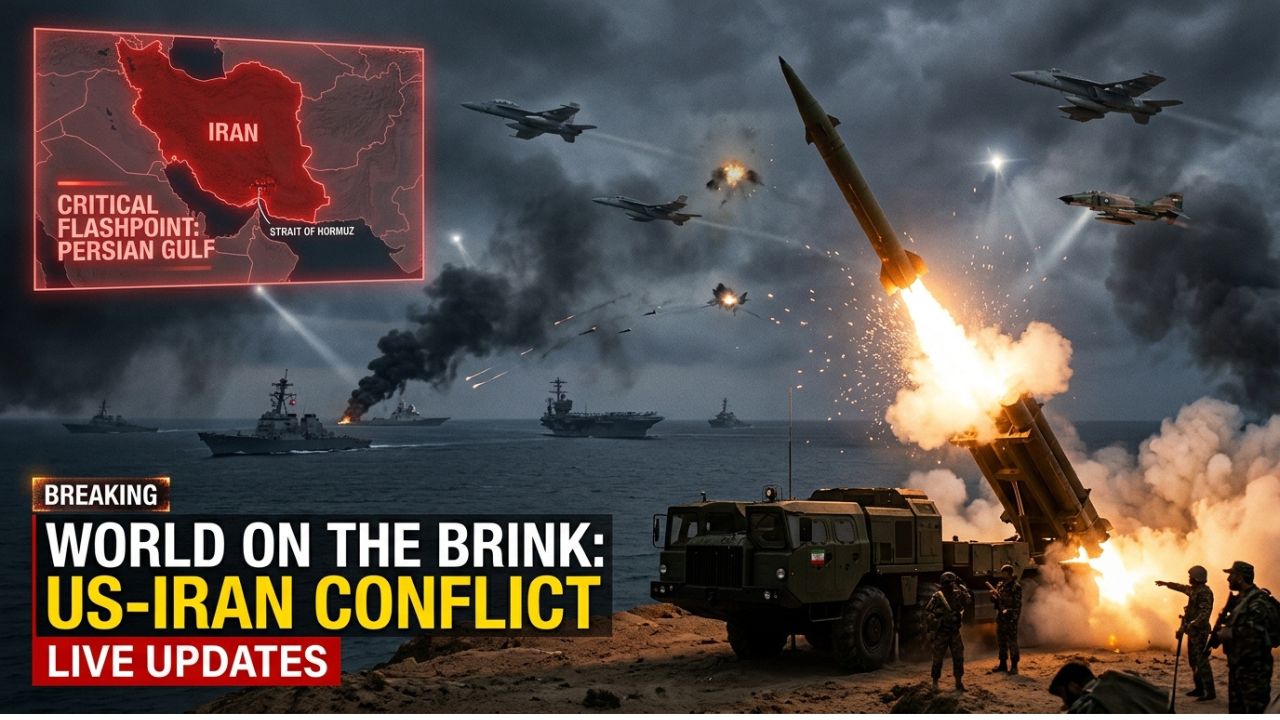
The conflict between the United States and Iran has intensified once again, creating fresh concerns about stability in the Middle East. What initially appeared to be a limited military confrontation has quickly expanded, with both sides exchanging strikes and accusations.
The situation became more serious after a US Apache helicopter crashed near the Strait of Hormuz. While many observers initially believed the crash was caused by a technical failure, former US President Donald Trump claimed that Iranian forces had shot down the helicopter. This statement immediately changed the tone of the situation and increased tensions between the two countries. Interestingly, Iran had not officially claimed responsibility for bringing down the helicopter. Nevertheless, the incident became the trigger for a new round of military actions.
The Apache Helicopter Incident
The Apache helicopter crashed while flying near the strategically important Strait of Hormuz. Both pilots were reportedly rescued safely, and early reports suggested a possible technical malfunction.
However, Trump publicly stated that Iran was responsible for the helicopter’s destruction and promised that Iran would pay a price for the attack. This announcement surprised many analysts because the United States usually avoids publicly highlighting battlefield losses unless there is clear evidence. The statement raised questions about whether Washington was looking for a reason to increase pressure on Tehran.
US Launches Limited Military Strikes
Following the helicopter incident, the US military launched what it described as a “limited self-defense operation” against Iranian targets. According to US Central Command (CENTCOM), the operation lasted around four hours and targeted several military installations near the Strait of Hormuz. The strikes reportedly focused on:
- Air defense systems
- Ground control facilities
- Surveillance radar stations
- Military infrastructure near coastal regions
The targeted locations reportedly included areas around Bandar Abbas, Qeshm Island, Sirik, and Jask. US officials claimed that precision-guided weapons were used to minimize civilian damage and that the operation achieved its objectives before ending. Iran later acknowledged some damage, including the destruction of a telecommunications tower and water infrastructure, but did not confirm the full extent of the losses claimed by the United States.
Iran Responds With Counterattacks
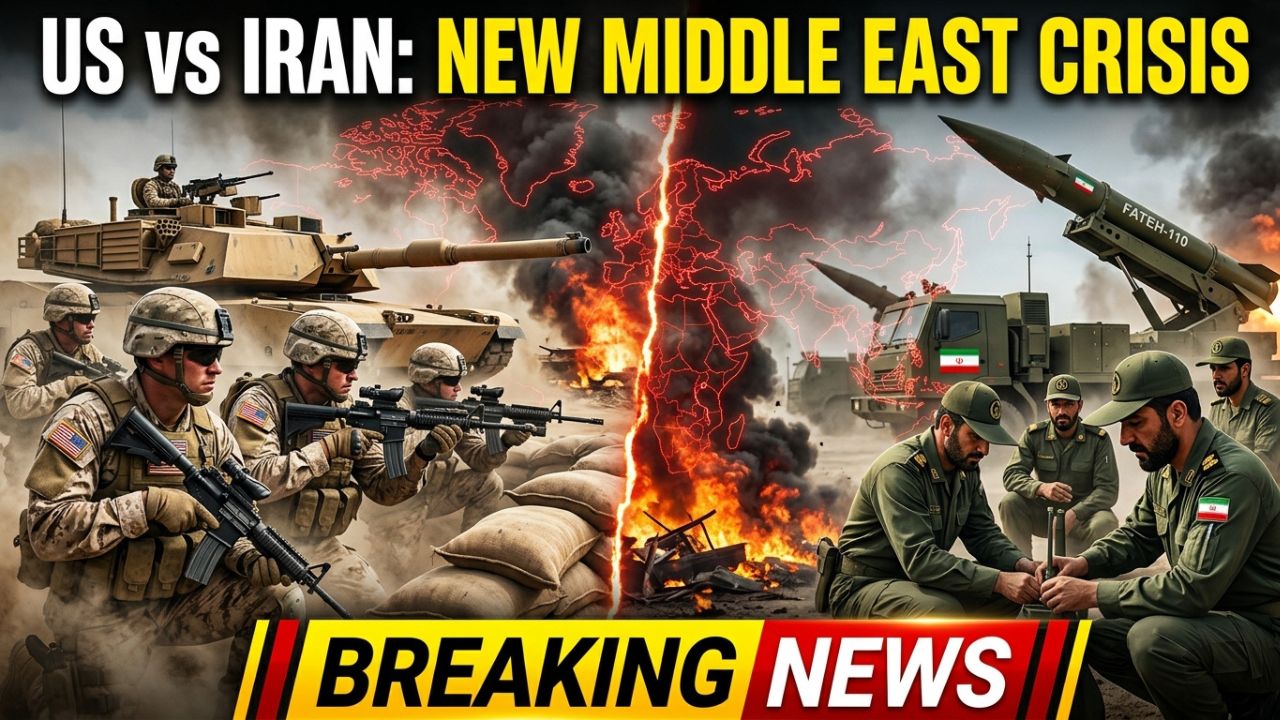
Although the US operation ended quickly, Iran’s response was swift and much broader. Iranian forces reportedly launched attacks against several locations connected to US military operations in the region. These included:
Bahrain
Iran claimed to have targeted facilities connected to the US Navy’s Fifth Fleet headquarters in Bahrain. Videos circulating online reportedly showed explosions in and around the capital city, Manama.
Kuwait
The Ali Al Salem Air Base in Kuwait was also reportedly targeted. This base is considered an important location for US military activities in the region.
Jordan
Iranian missiles were reportedly launched toward the Azraq Air Base in Jordan. Jordanian authorities stated that several missiles were intercepted before reaching their targets, although debris reportedly fell in some areas. Iran also claimed that facilities connected to F-35 fighter jet operations were damaged, although independent confirmation of these claims has not yet emerged.
Iran Claims Major Damage
The Islamic Revolutionary Guard Corps (IRGC) claimed that it targeted 21 US-linked military objectives during its retaliatory campaign. According to Iranian statements, the attacks resulted in:
- Damage to military command centers
- Destruction of facilities connected to F-35 fighter jets
- The downing of an MQ-9 Reaper drone
- Significant disruption to US military operations
While some of these claims remain unverified, the scale of Iran’s response demonstrated its willingness to react strongly to any military action against its territory.
Iran’s Strategy: Escalation Dominance
Military analysts suggest that Iran is attempting to maintain control of the “escalation ladder.” In simple terms, Iran is sending a message that any attack against it will be met with an even stronger response. If an opponent takes one step, Iran aims to take two steps in return.
Iran relies heavily on:
- Ballistic missiles
- Armed drones
- Asymmetric warfare tactics
These tools allow Tehran to threaten multiple US facilities across the region at a relatively low cost. The rapid response also serves an important political purpose. Iran wants both its domestic audience and neighboring countries to see that it remains strong despite sanctions and international pressure.
Why the United States Is Being Careful
Despite the exchange of strikes, the United States appears reluctant to enter a long and costly war. There are several reasons for this:
Oil Prices
A prolonged conflict in the Persian Gulf could disrupt oil supplies and push global oil prices much higher. Such a development would affect economies worldwide, including the United States.
Regional Stability
The Middle East already faces multiple conflicts. A larger war between the US and Iran could destabilize the entire region and threaten American allies.
Domestic Politics
American leaders understand that a major military conflict can become unpopular if it leads to high costs, casualties, and economic difficulties. For these reasons, Washington has so far limited its military response.
Is Israel Benefiting From the Situation?
Many observers believe that Israel has strategic reasons for wanting continued pressure on Iran. A weaker Iran would reduce one of Israel’s biggest regional security concerns. Continued US involvement also ensures ongoing military and political support for Israel. At the same time, Israel is managing challenges in Gaza and other neighboring areas. Maintaining international focus on Iran may provide strategic advantages. With Israeli elections approaching, strong policies against Iran may also have political value for Israeli leaders seeking public support.
Is the US Falling Into a Strategic Trap?
Some analysts argue that the United States may be facing an alliance dilemma. On one hand, Washington would prefer to avoid a prolonged war with Iran. On the other hand, regional allies continue to view pressure on Tehran as important for their security.
As a result, the US may find itself paying the costs of regional tensions while struggling to achieve a clear exit strategy. Iran understands this challenge and appears determined to raise the price of every American military action. By targeting US assets and responding quickly, Tehran hopes to discourage future attacks and force Washington to think carefully before escalating further.
Conclusion
The latest US-Iran confrontation shows how quickly a single incident can trigger a wider regional crisis. What began with the crash of an Apache helicopter has evolved into missile strikes, military retaliation, and growing geopolitical tensions. Although both sides appear to be avoiding full-scale war for now, the risk of further escalation remains high. Iran continues to demonstrate its ability to respond aggressively, while the United States tries to balance military pressure with the need to avoid a larger conflict.
As events continue to unfold, the Middle East remains on edge, and the world is watching closely to see whether diplomacy or further confrontation will shape the next chapter of this crisis.