


The technology industry is witnessing significant changes driven by AI (Artificial Intelligence). Companies are investing heavily in AI, and amidst this, reports of Microsoft’s voluntary employee buyout plans have heightened tension among tech workers. According to the report, Microsoft is considering offering voluntary buyout to a huge number of employees. If these reports are true, then it impact will directly software developers, managers and others technology professionals. The employees working in India as well as those in America, Canada and UK could also be affected.
However, it is essential to verify the exact number of employees, eligibility, and details of the buyout program through official company announcements.
Microsoft Voluntary Buyouts 2026: What Do We Know?
According to the reports, Microsoft is considering a huge voluntary buyout, in which employees will involve from multiple departments across the company. This news has increased the concern of those employees who viewed a big company like Microsoft as a stable option for a long-term career.
This programme includes employees from different levels, including managers aur mid-level professionals. Industry discussions have also mentioned business divisions related to Windows, Xbox, Copilot, and other AI-focused areas.
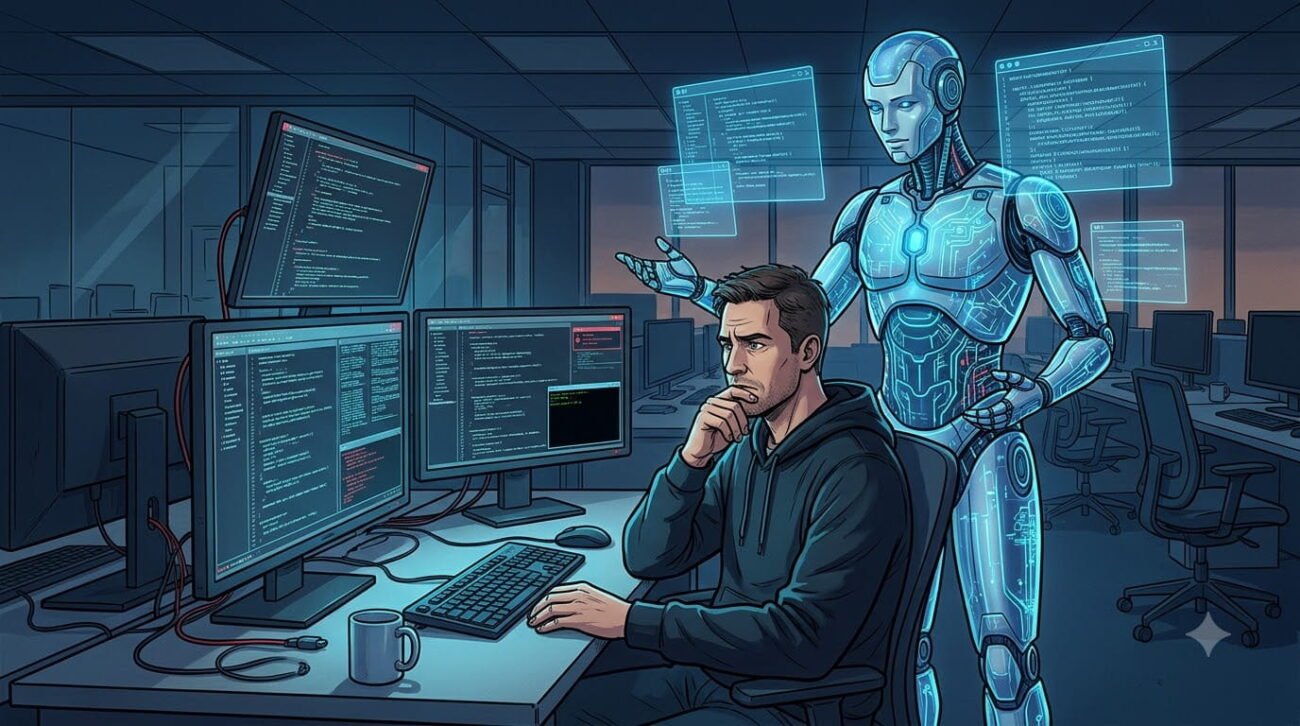
According to the some recent reports, there may be chances that role related to data centres and security be little different, because Microsoft is increasing its investment in theses fields. However, official confirmation is needed regarding which departments will be impacted.
Why Is Microsoft Investing So Much in AI?
Today Artificial intelligence become one of the biggest priorities for the technology companies. Many companies investing billions of dollars in AI models, powerful GPUs, cloud computing, and data centres. Microsoft is also a major player in AI industry. The company’s focus is on improving AI-based products, expanding cloud services, and strengthening its position in the AI market.
But developing and operating the AI infrastructure is too expensive. As companies increase their spending on these technologies, they may also review other expenses, including employee costs. From this, an important question raises, are companies reducing their number of employees in order to increase investment?
In some cases, businesses are restructuring teams and automating those tasks that were previously required a larger number of employees to complete. However, AI is also not responsible for every job cut. Business priorities, organisational changes, and cost-cutting measures can also be one of the reasons for this.
Is AI Replacing Tech Jobs in 2026?
AI is changing the way people work, particularly in software development and other technology-related fields. Modern AI tools can help developers write code, find errors, generate documentation, and complete repetitive tasks. Businesses may therefore need different team structures and skill sets than they did a few years ago.
Entry-level professionals may face additional challenges as companies automate some tasks traditionally assigned to freshers. At the same time, demand for people who can build, manage, and improve AI systems is growing. This does not mean that AI will replace every software developer. Instead, the nature of many technology jobs is changing, and workers may need to learn new skills to remain competitive.
Other Companies Are Also Restructuring
Microsoft is not the only technology-related company facing questions about workforce changes. The source information also mentions job cuts and restructuring discussions involving companies such as Amazon, Barclays, eBay, and other businesses. Some organisations are reportedly using automation and AI efficiency as part of their restructuring strategies.
There are also online discussions about possible future layoffs at companies such as Meta and LinkedIn. These discussions should not be treated as confirmed announcements unless the companies officially announce workforce reductions. Overall, these developments show why employees are paying closer attention to hiring trends, AI spending, and corporate restructuring.
Three Signs That Tech Workers Should Watch
There are three important trends that employees can monitor to understand how AI may affect their careers.
1. Rising AI budgets: When companies significantly increase AI spending while announcing cost reductions, employees should pay attention to how these changes affect their departments.
2. Changes in hiring: A company reducing routine roles while hiring AI engineers, automation specialists, and cloud professionals may be changing its workforce priorities.
3. Fewer entry-level opportunities: If companies automate basic tasks, some traditional fresher roles may become less common. Students should focus on practical skills that help them solve real business problems.
These signs do not guarantee layoffs, but they can help workers understand changing industry priorities.
How Can Employees Prepare for AI-Related Job Changes?
Learning AI-related skills is becoming increasingly valuable for professionals across the technology industry. Software developers can improve their knowledge of APIs, AI agents, automation, and AI-assisted coding. Learning about retrieval-augmented generation (RAG), model context protocol (MCP), and cloud technologies can also help those interested in AI development.

However, simply knowing how to use an AI chatbot is not enough. Employees should learn how these tools work, identify their limitations, and check whether their results are accurate. Building real projects is another useful step. Practical experience can demonstrate problem-solving ability and help candidates stand out during job applications. Professionals should also strengthen their programming fundamentals, communication skills, and understanding of the business problems they are expected to solve.
Conclusion: Is the Tech Industry Entering a New Era?
Microsoft’s reported voluntary buyout plans highlight the uncertainty facing the technology industry in 2026. Companies are investing heavily in AI and re-evaluating how their teams work. Today AI is creating a lot of new opportunities, but the demand of some routine task is also reduced and this could also lead to changes in traditional career paths.
The best approach for the students, freshers and experienced professionals is to continuing focus on learning, develop practical skills and keeps oneself updated to industry latest development. AI technology may transform jobs, but professionals who know how to use AI effectively, solve complex problems, and adapt to new tools will be better prepared for the future.