
Introduction
The ongoing conflict has created an atmosphere of tension in West Asia. Until recently, Pakistan tried to act as a mediator between different countries involved in the crisis. However recent reports have revealed that Pakistan has taken a more direct role by deploying troops, fighter jets, drones, and air defense systems inside Saudi Arabia.
According to reports from Reuters and other international media agencies, Pakistan has sent around 8,000 troops to Saudi Arabia. The report also suggests that Pakistan has deployed fighter jets, drones, and air defense systems to Saudi Arabia.
And these latest developments have raised serious questions about whether the conflict in the Middle East could expand further in the coming days.
Why Pakistan Has Deployed Troops in Saudi Arabia
Reports suggest that Pakistan fears Iran may target Saudi Arabia in the future. Recently, Iran reportedly carried out attacks connected to regional tensions involving the United Arab Emirates. Because Saudi Arabia is a close ally of the United States, there are concerns that Iran could also increase pressure on Saudi targets.
At the same time, former US President Donald Trump posted maps and military visuals on social media showing strong American military presence across the Gulf region. This has further increased tensions in the area. Experts believe Pakistan’s deployment is mainly aimed at supporting Saudi Arabia if the situation becomes more dangerous.
What Has Pakistan Sent to Saudi Arabia?
According to security sources quoted in international reports, Pakistan has deployed:
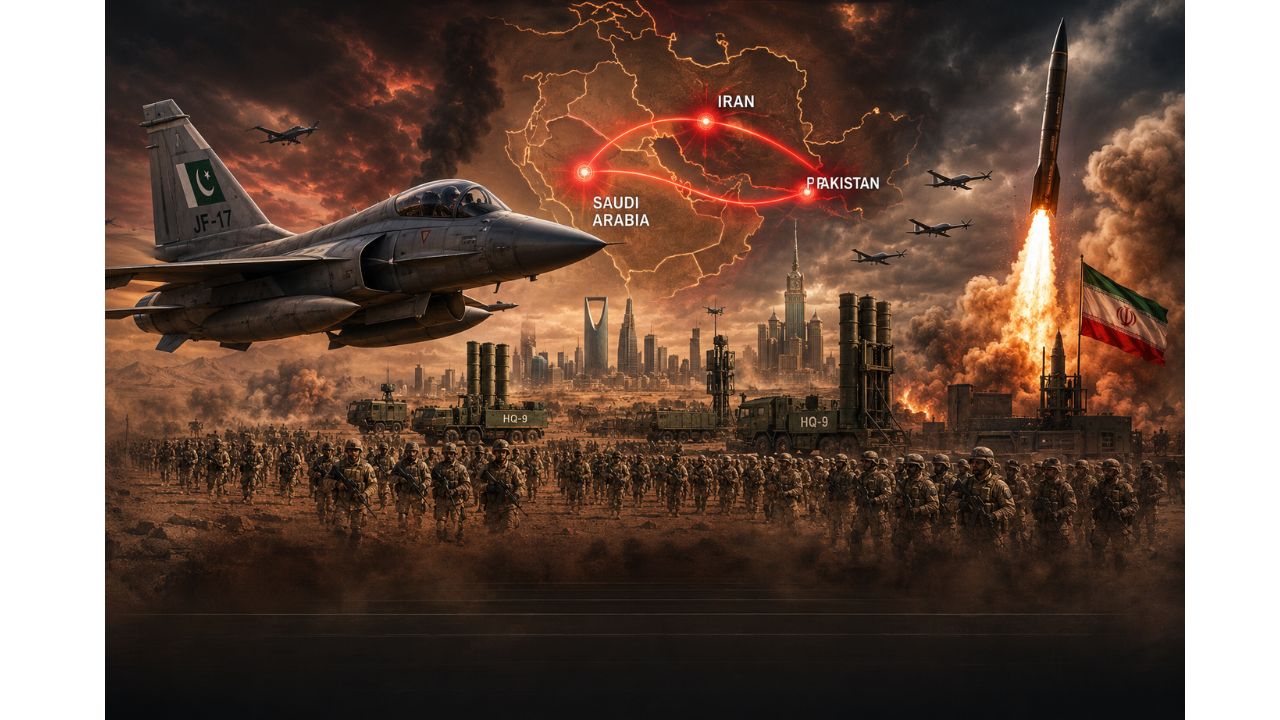
- Around 8,000 troops
- JF-17 fighter jets
- Military drones
- HQ-9 air defense systems
- Air force personnel and advisors
The JF-17 fighter jet is jointly developed by Pakistan and China. The HQ-9 is a Chinese-made air defense system designed to intercept missiles and aircraft. Reports also suggest that two drone squadrons have been placed inside Saudi Arabia as part of the deployment.
Pakistan Says It Is Following a Defense Agreement
Pakistan has claimed that troops may be deployed to Saudi Arabia under a mutual defense agreement signed with Saudi Arabia. According to this agreement, Pakistan will provide security to Saudi Arabia in case of threats or attacks. Some of the reports also suggest that the situation may become worse if Pakistan increases the number of its 80K troops in the near future.
It is even being said that Pakistan is ready to send its warships if Saudi Arabia requests naval support. However, no large naval movement has been officially confirmed yet.
Questions Over Pakistan’s Role as a Mediator
One major question being discussed is Pakistan’s role as a “mediator.” Normally, a mediator is expected to maintain balanced relations with both sides of a conflict. But critics argue that Pakistan is now clearly supporting Saudi Arabia and the American bloc.
This raises an important question: How can Iran trust Pakistan as a neutral mediator if Pakistan is openly deploying military assets in Saudi Arabia? Many analysts believe this deployment weakens Pakistan’s diplomatic position and increases distrust between Iran and Pakistan.
Why Experts Believe the Situation Is Serious
Experts say such a heavy military deployment cannot be described as only an “advisory mission.” Sending thousands of troops, fighter jets, drones, and air defense systems usually indicates preparation for possible combat operations.
Security analysts believe:
- Saudi Arabia is preparing for possible escalation
- Pakistan is ready to provide military support if needed
- Gulf countries fear wider regional attacks
This suggests that many countries in West Asia are preparing for a more dangerous phase of the conflict.
Iran’s Position and Regional Tensions
Currently, Iran has attacked several Gulf countries for supporting American military operations in the region. If tension increases like this then Iran may see Saudi Arabia as part of the anti-Iran coalition because of its close ties with the United States.
At the same time, Iran is also strengthening its military readiness. And this has created a fear-filled atmosphere of larger regional conflicts involving multiple countries across the Middle East.
Concerns About Pakistan’s Military Capability
Some critics have questioned whether Pakistan’s military deployment can actually provide strong protection to Saudi Arabia. Questions have also been raised about the effectiveness of the Chinese-made HQ-9 air defense system after earlier regional conflicts where missile interceptions reportedly failed.
Still, Saudi Arabia appears willing to rely on Pakistan for additional manpower and support.
What Could Happen Next?
Many analysts believe the next few days or weeks could be very important. Possible scenarios include:
- Increased attacks in the Gulf region
- Iranian pressure on Saudi targets
- Expansion of military deployments
- More involvement from the US and allied countries
- Naval operations in the Gulf
Because of these risks, several countries are now increasing military readiness.
America’s Role in the Conflict
The United States continues to maintain a strong military presence across West Asia. American bases in Gulf countries remain highly active, and US support for allies such as Saudi Arabia and the UAE continues.
This has further increased tensions with Iran, which sees American military expansion in the region as a direct threat.
Growing Fear of a Bigger Regional War
The latest developments show that the Iran conflict is no longer limited to one country. Now multiple nations are becoming directly or indirectly involved, including:
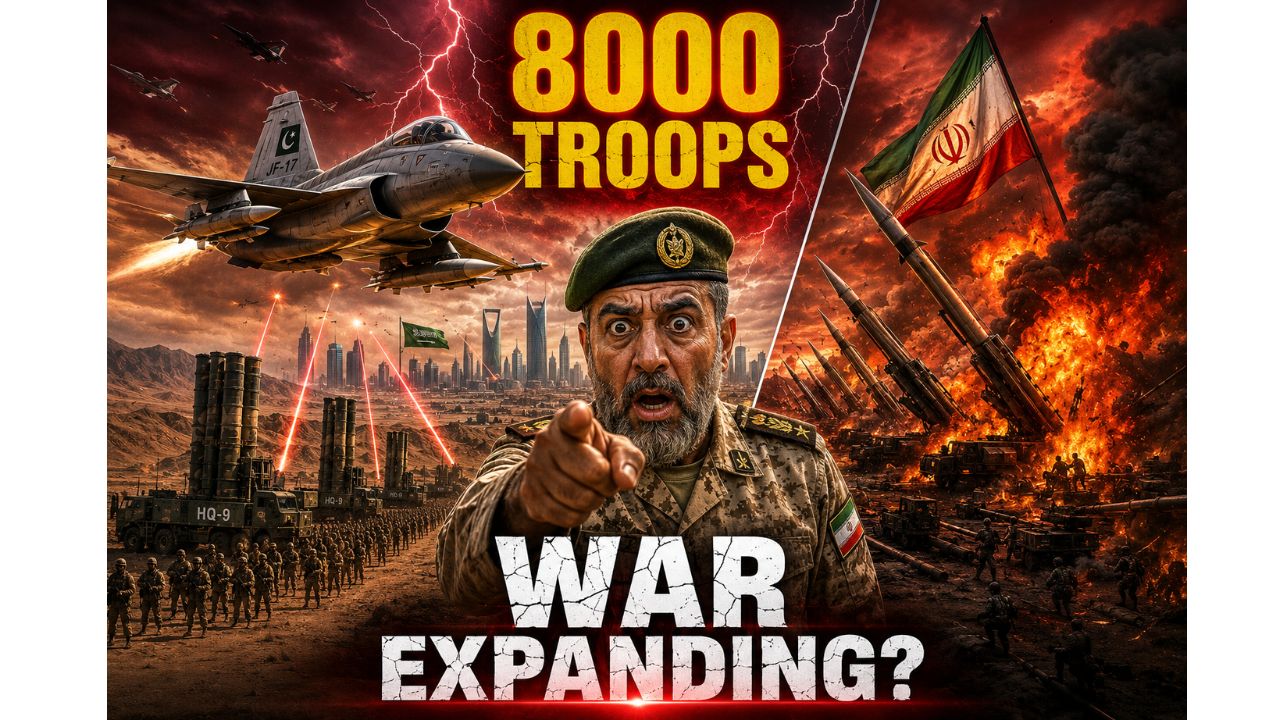
- Iran
- Saudi Arabia
- Pakistan
- United States
- UAE
- China
This increases the risk of a wider regional conflict that could affect global oil prices, trade routes, and international security.
Final Thoughts
Pakistan’s troop deployment in Saudi Arabia marks a major shift in the ongoing West Asian conflict. Although Pakistan still claims to support peace and mediation, its military actions suggest stronger alignment with Saudi Arabia and the US-led bloc.
At the same time, Iran is increasing its own preparations, and tensions across the Gulf continue rising. Whether the situation turns into a larger regional war or remains limited will depend on diplomatic efforts and military decisions taken in the coming weeks.