

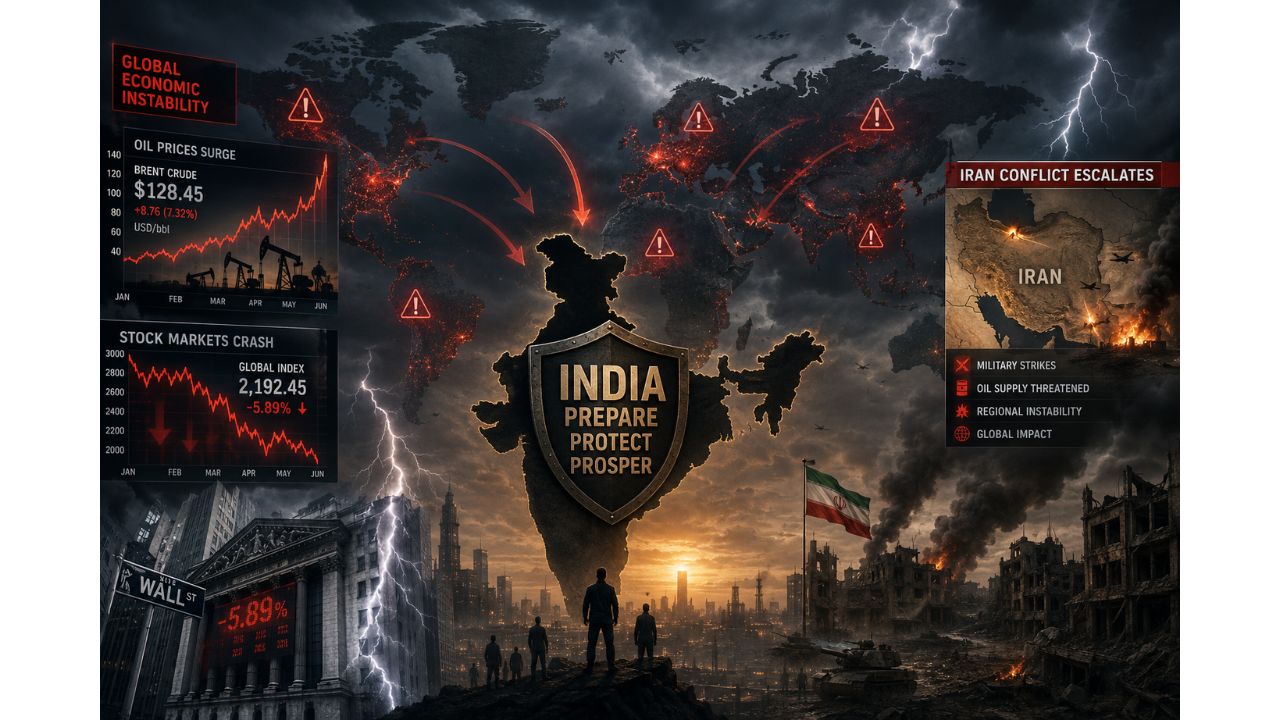
Rising Fear of an Economic Crisis:-
Around the world, the most famous economists and industrialists are repeating one serious warning — a major economic crisis may be approaching. According to leading Indian banker Uday Kotak, the full economic impact of the Iran war has not yet been felt by ordinary people, but the real shock is still coming.
Currently, many countries are still surviving by using their oil reserves. India is also using its strategic reserves to reduce the direct impact of Iran War rising international oil prices on common citizens. Because of this, people have not experienced the real pressure of this crisis till yet. However, according top the experts, this situation may not continue for long time.
Uday Kotak’s Big Warning:-
Recently, Uday Kotak said that the world must prepare for difficult economic times ahead. According to him, inflation will rise, fuel prices will increase, and daily life will become more expensive for everyone.
He explained that this is not about spreading fear or creating panic. Instead, it is about preparing early before the real economic shock arrives.
Kotak compared the situation to a coming storm. If people prepare in advance, the damage can be reduced. Waiting until the crisis fully hits could make the situation much worse.
He stated that many countries today have no strong foreign exchange reserves or oil reserves left. They are simply waiting helplessly for the economic shock to arrive. India, on the other hand, still has some time and options available.
Why Uday Kotak’s Opinion Matters:-
Many people may ask why Uday Kotak’s statements are taken so seriously.
Uday Kotak is one of India’s richest bankers and the founder of Kotak Mahindra Bank. His estimated net worth is around $14 billion. He has played an important role in India’s financial sector for decades.
He has also served on several major government and financial advisory committees, including those connected with infrastructure financing and securities markets. Because of his deep involvement in India’s economy and banking sector, his warnings are considered highly important.
Hidden Impact of the Iran War:-
Kotak explained that the world has not yet fully experienced the impact of the Middle East conflict on energy prices.
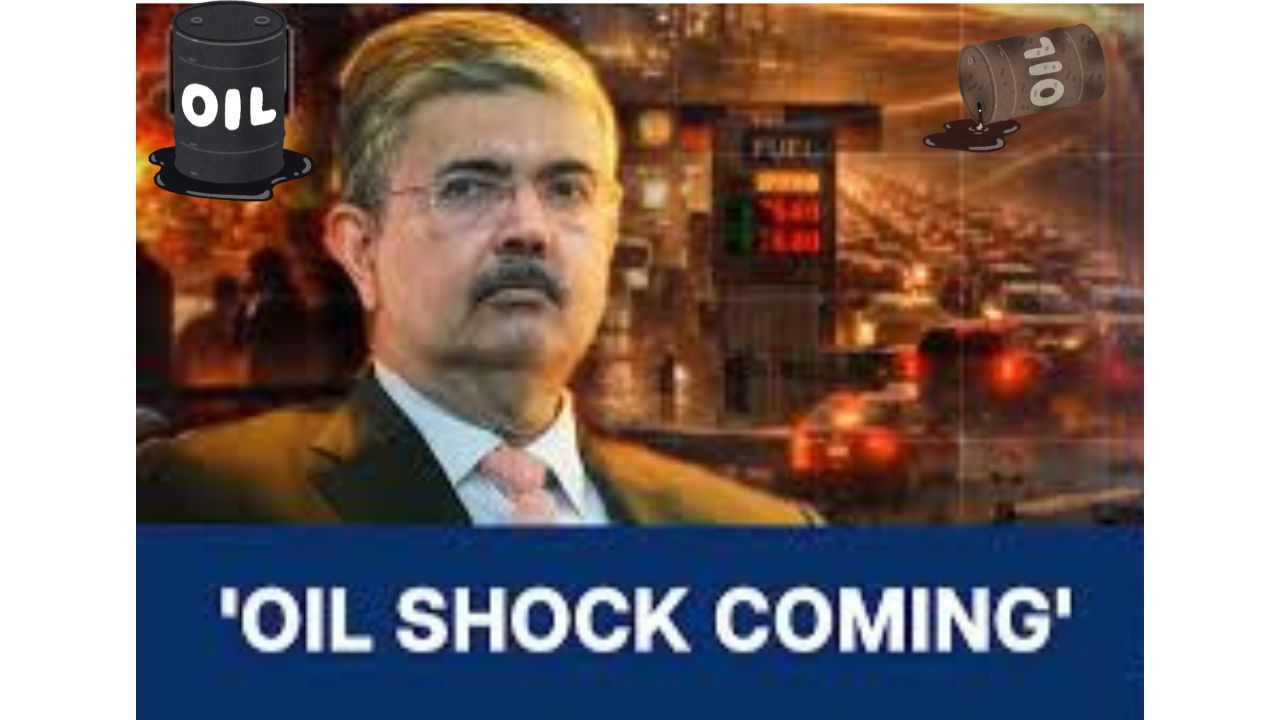
India’s oil refining companies are already facing heavy losses because of rising crude oil prices. However, fuel prices inside India have remained mostly stable because oil companies and the government are absorbing the shock temporarily.
In many countries, petrol and diesel prices have already increased by 40–50%. India has managed to avoid such a large increase so far, which is one reason inflation remains relatively controlled.
But according to Kotak, this protection may not last forever.
He warned that consumers have not yet felt the true pressure of rising fuel costs. Once oil companies can no longer absorb the losses, fuel prices may rise sharply. This will directly affect transportation, food prices, and almost every product in the market.
The Middle Class May Suffer the Most:-
The biggest concern is for middle-class and lower-income families.
A person earning a limited income already struggles to manage expenses for food, education, healthcare, transportation, and family responsibilities. If fuel prices rise significantly, the cost of daily living will also rise.
Petrol and diesel are connected to almost every industry. When fuel becomes expensive, transportation costs increase. This eventually raises the prices of vegetables, groceries, medicines, clothing, and other basic commodities.
According to Kotak, people with fixed or limited salaries will face the greatest economic pressure during such a crisis.
Why India Is Asking Citizens to Save Money:-
The article also points out that Prime Minister Narendra Modi has repeatedly encouraged citizens to reduce unnecessary spending.
People are being advised to avoid expensive foreign trips, reduce luxury spending, and focus more on domestic tourism. The government has also encouraged work-from-home and digital learning in some areas.
These suggestions are not random. They are being seen as precautionary steps to conserve foreign exchange and prepare the country for a difficult global economic situation.
India still has some reserves and flexibility, but experts believe the country must act carefully before the global crisis becomes worse.
Global Impact Could Be Severe:-
The article also mentions warnings from JPMorgan Chase, one of the world’s largest investment banks.
According to reports, crude oil prices could rise dramatically if the conflict continues and oil supply routes remain affected. Inflation in countries like the United States could increase sharply, hurting middle-class consumers there as well.
If inflation rises in major economies such as the US and Europe, consumer demand may fall. This would damage global trade because many countries depend heavily on exports to Western markets.
The negative impact of the Iran war may therefore spread across the global economy, affecting businesses, jobs, and investments worldwide.
India’s Position in the Global Economy:-
Despite these concerns, the article suggests that India may still remain one of the world’s fastest-growing economies.
However, there is another major concern — the falling value of the Indian rupee. A weaker rupee increases the cost of imports, especially crude oil. This can create additional inflation inside the country.
India was once expected to rise rapidly in global GDP rankings, but the falling currency has slowed some of that progress.
Even so, experts believe India’s long-term growth story remains stronger than many other major economies.
Oil Supply Could Become a Bigger Problem:-
Another serious concern is the possible shortage of oil supplies if the conflict continues for many more months.
The article highlights fears surrounding the Strait of Hormuz, one of the world’s most important oil shipping routes. If supply chains are disrupted and oil reserves begin running low globally, panic buying and extreme price increases could occur.
Experts warn that by September, many countries may start facing serious oil reserve shortages if the war does not stop.
This could create a major supply-and-demand crisis in global energy markets.
Conclusion:-
The message from Uday Kotak is clear: the world may soon face a serious economic challenge because of the ongoing Iran conflict.
His warning is not meant to create fear, but to encourage preparation. Rising fuel prices, inflation, and global uncertainty could affect millions of people, especially middle-class families.
India still has time to prepare, but experts believe careful planning, controlled spending, and economic discipline will be necessary in the coming months.
If global tensions continue and oil supplies remain unstable, the economic shock could become much larger than what the world has experienced so far.